Connect with us

Latest

Minsk Mission: A New Playbook for Zimbabwean Sport

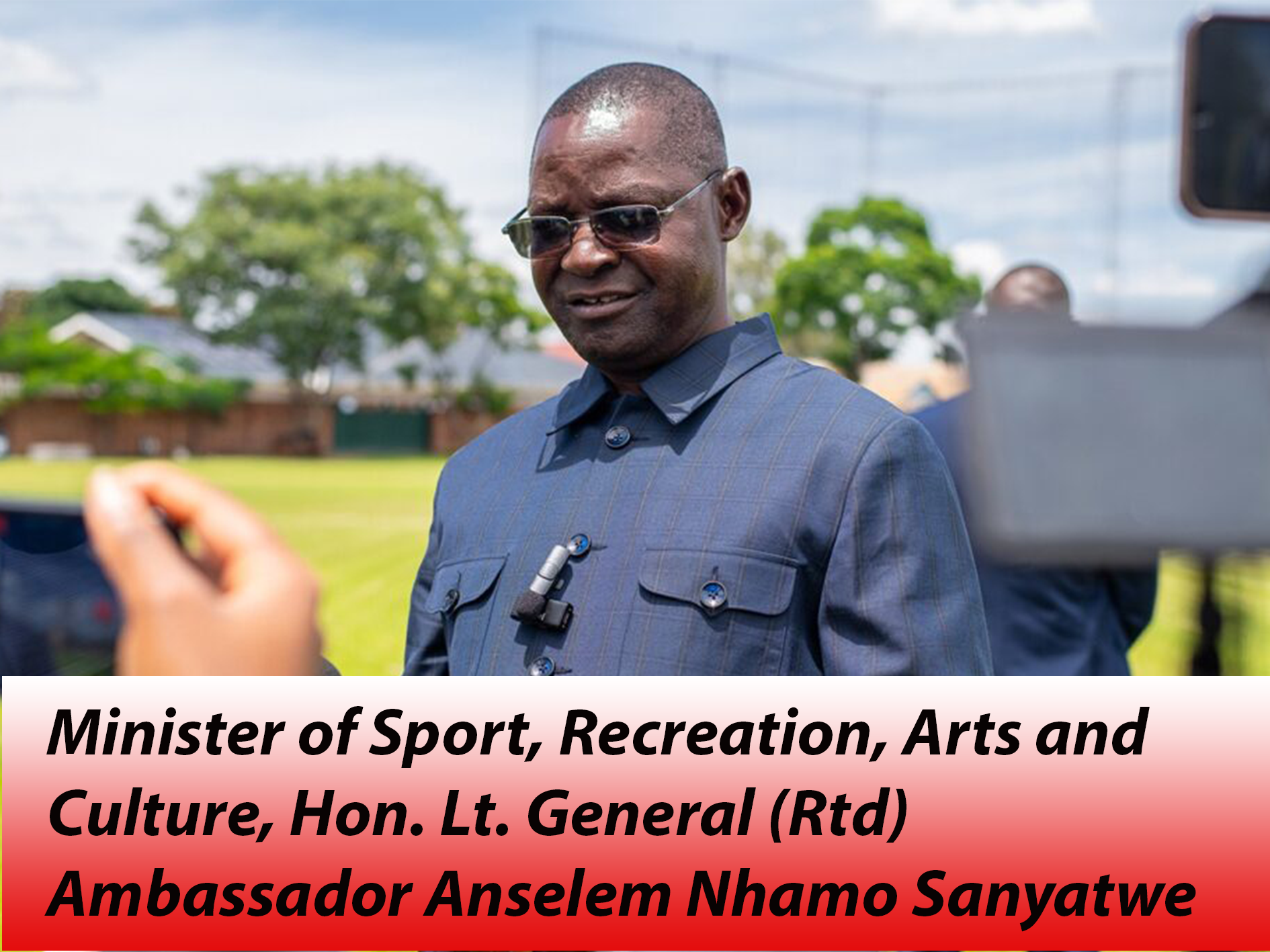
MINSK, BELARUS — Zimbabwe’s sporting future is being reimagined in the laboratories and training halls of Minsk, where science and sport converge with precision. The Minister of Sport, Recreation, Arts and Culture, Hon. Lt. General (Rtd) Ambassador Anselem Nhamo Sanyatwe, has embarked on a groundbreaking mission to align Zimbabwe’s athletic development with world-class scientific standards.

Published

on

Lt-Gen-Anslam-Sanyatwe

MINSK, BELARUS — Zimbabwe’s sporting future is being reimagined in the laboratories and training halls of Minsk, where science and sport converge with precision. The Minister of Sport, Recreation, Arts and Culture, Hon. Lt. General (Rtd) Ambassador Anselem Nhamo Sanyatwe, has embarked on a groundbreaking mission to align Zimbabwe’s athletic development with world-class scientific standards.
At the Republican Scientific and Practical Center of Sports, Minister Sanyatwe witnessed a system where athletes are not only trained but scientifically understood. Every heartbeat, muscle fibre, and neurological response is measured and optimized under the guiding principle: “No health – no results.” The Belarusian model demonstrates that sporting success is secured as much in the lab as on the field.

Walking through cutting-edge diagnostic facilities, the Minister observed comprehensive medical screenings spanning cardiology, neurology, endocrinology, and even dental science. Technology such as 3D imaging, body composition analysis, and real-time stress monitoring has eliminated guesswork from training. Recovery methods, including cryotherapy and regenerative treatments, ensure athletes return stronger and faster from setbacks.

For Zimbabwe, the implications are profound: fewer injuries, longer careers, and training tailored to individual athletes. Beyond technology, the Belarusian system thrives on an education pipeline producing elite coaches, doctors, physiologists, and analysts. Minister Sanyatwe has already initiated pathways for Zimbabwean professionals to access online learning, residencies, and internships in Minsk.

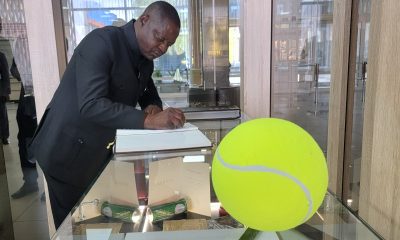
The visit was headlined by the signing of a historic Memorandum of Understanding (MoU) with Belarusian Minister of Sport Sergei Kovalchuk. The agreement opens doors for Zimbabwean athletes to access advanced training facilities, specialized coaching, and international exposure in athletics, football, tennis, and swimming.

The delegation also toured premier institutions including the Belarusian State University of Physical Culture, the Minsk Arena, and the Republican Center for Olympic Training in Rhythmic Gymnastics, gaining insight into Belarus’s integrated approach to sport science and infrastructure excellence.

Minister Sanyatwe has issued a national call to action: Zimbabwe’s medical community, universities, sports administrators, and private investors must unite to establish a centralized Sport Science Hub. This vision demands bold partnerships and decisive investment, positioning sport as a high-performance industry with measurable returns.

As engagements continue in Belarus, one message resonates, Zimbabwe’s era of “training with hope” is giving way to “training with awareness.” The Minsk Mission is not just a visit, it is a turning point in the nation’s sporting story.

Latest

Women Shine in Carling Black Label National Pool Tournament

Harare, Zimbabwe – The Carling Black Label National Pool Tournament regional qualifiers concluded on June 27, marking another milestone in the growth of the sport across Zimbabwe. This year’s edition expanded to 31 regions, drawing enthusiastic participation from players, fans, and local communities.
Published

on

Harare, Zimbabwe – The Carling Black Label National Pool Tournament regional qualifiers concluded on June 27, marking another milestone in the growth of the sport across Zimbabwe. This year’s edition expanded to 31 regions, drawing enthusiastic participation from players, fans, and local communities.

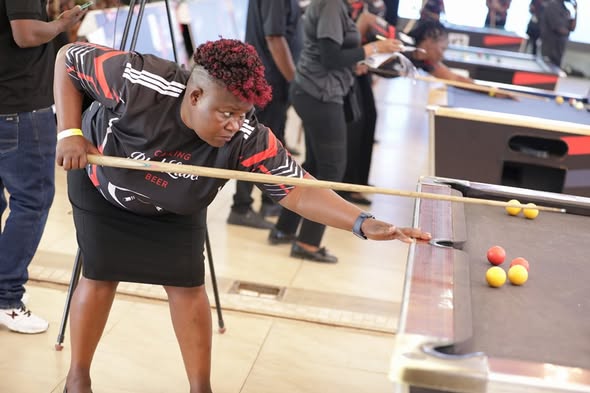
While the tournament showcased heightened professionalism and skill among competitors, the most striking development was the continued rise in women’s participation. Organizers noted consistent year-on-year growth in female involvement, a trend that is reshaping the traditionally male-dominated sport.
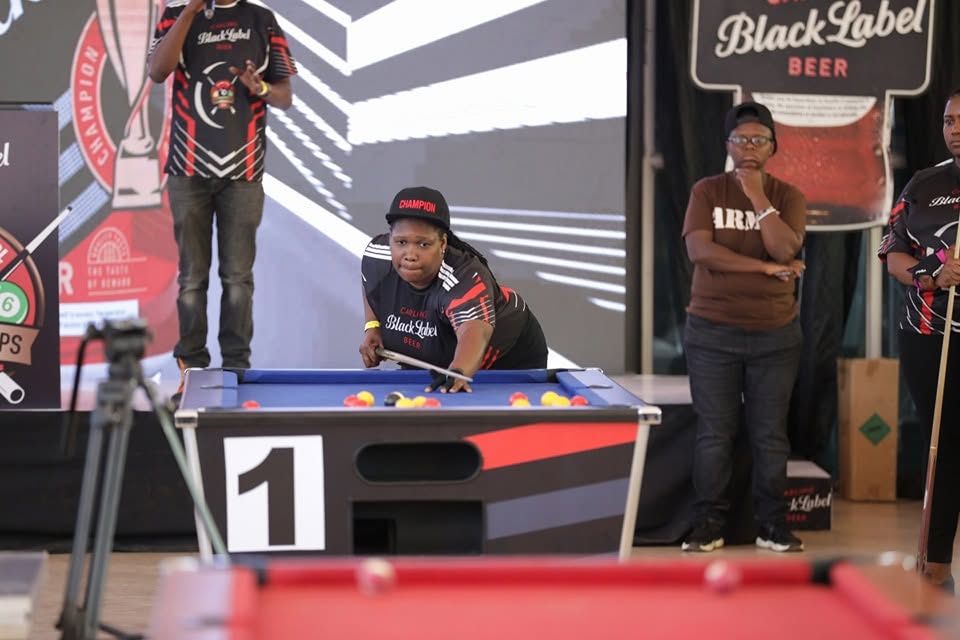
A woman prepares to hit a ball during the Carling Black Label Tournament in Zimbabwe.

Kundayi Mawema, Marketing Manager for Delta Beverages’ Lagers Business Unit, praised the progress:

“We are proud of the growth we continue to see in the sport. The rising participation, especially among women, reflects passion and commitment from players across the country.”

Carling Black Label has made inclusivity a central pillar of its pool initiatives, encouraging more women to take part and ensuring equal opportunities within the community.

Beyond the competition, the tournament delivered economic benefits to host communities, boosting local traders and businesses through increased foot traffic.

The journey now heads to Masvingo, where the national finals will be staged on July 11, 2026, with 80 finalists—men and women—vying for the championship title. Prizes include cash rewards of up to US$2,500 and a pool table for the winner. In addition to the grand prize, the tournament will also reward the runners-up. The player finishing in second place will receive USD 1,500, the third-place winner will take home USD 1,000, and the fourth-place competitor will earn USD 500. This ensures that outstanding performances across the top four positions are recognized and celebrated.

With free entry for the public, the finals promise a vibrant atmosphere, celebrating not only the sport’s growing popularity but also the empowerment of women who are increasingly claiming their place at the pool table.

Champions deserve a champion beer.

Continue Reading

Latest

Zimbabwe climbs to second as South Africa retains CUCSA Games dominance

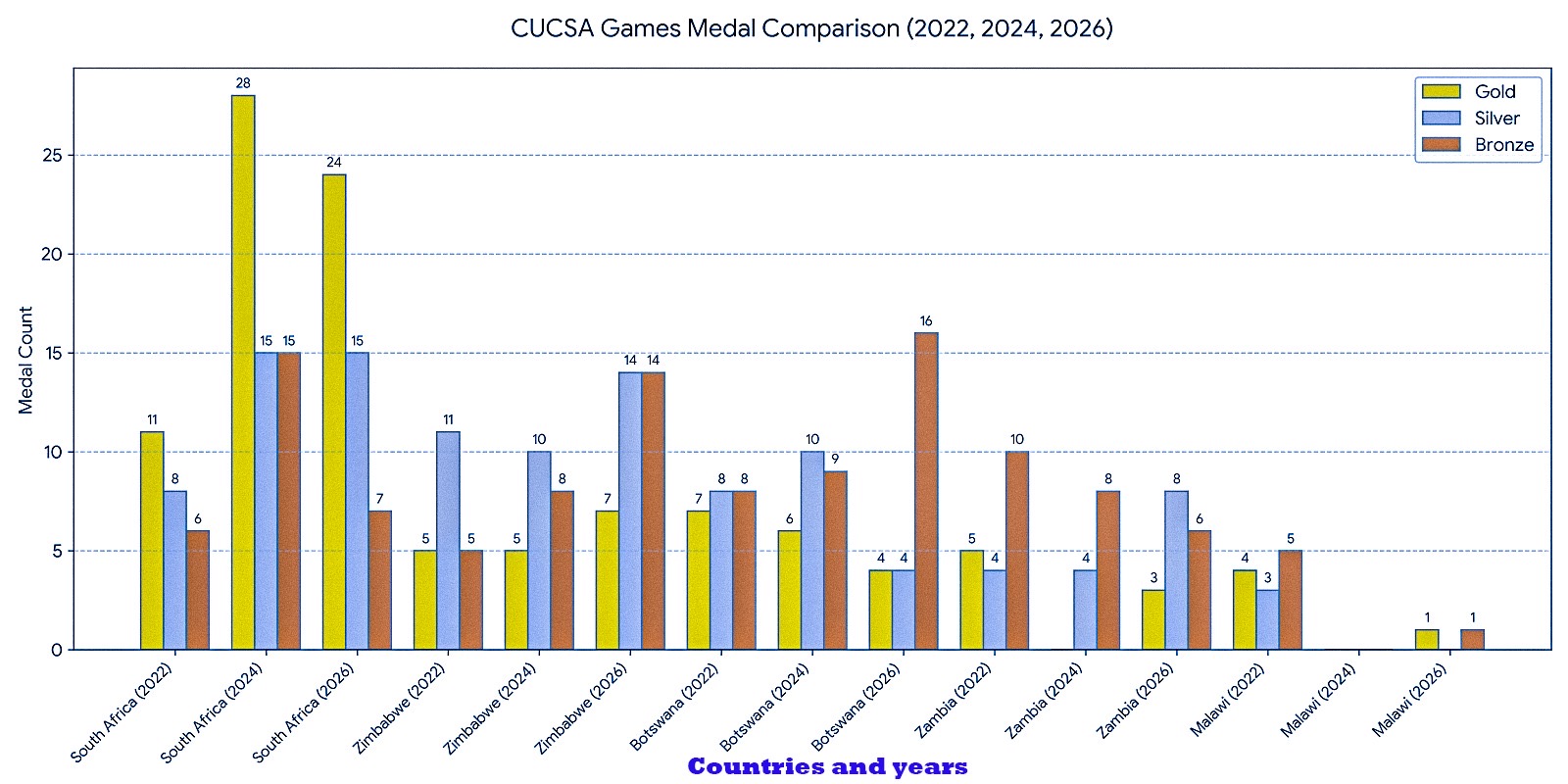
Zimbabwe increased its overall medal haul by 12 medals to finish second at the 2026 Confederation of University and College Sports Association (CUCSA) Games in Gaborone, Botswana, moving up one place after swapping positions with the hosts, who finished second at the 2024 Games in Tshwane, South Africa.
Published

on

By Admire Masuku

Zimbabwe increased its overall medal haul by 12 medals to finish second at the 2026 Confederation of University and College Sports Association (CUCSA) Games in Gaborone, Botswana, moving up one place after swapping positions with the hosts, who finished second at the 2024 Games in Tshwane, South Africa.

The result shows Zimbabwe’s steady rise at the regional university games. At the 2022 CUCSA Games in Lilongwe, Malawi, South Africa led the medal table with 11 gold medals and 25 total medals, while Botswana and Zimbabwe finished second and third, respectively. 

Zimbabwe, however, recorded the highest number of silver medals, collecting 11, while host nation Malawi placed fifth with four gold medals and a total of 12.

The number of participating nations grew from five in 2024 to eight in 2026, significantly raising the level of competition. 

Angola, Eswatini and Lesotho joined Zimbabwe, South Africa, Botswana, Zambia and Malawi to produce the largest field in the history of the Games.

Zimbabwe recorded the biggest improvement of any competing nation, increasing its medal tally from 23 in 2024 to 35 this year. 

The performance reflects the continued growth of sport within the country’s higher and tertiary education institutions through the Zimbabwe Tertiary Institutions Sports Union (ZTISU).

Despite winning fewer medals overall than it did in 2024, South Africa maintained its dominance by claiming more gold medals than all the other participating nations combined. 

Its overall medal count declined slightly, but its university sports system continued to produce championship-winning performances that remain unmatched across the Southern African Development Community (SADC).

The top four nations — South Africa, Zimbabwe, Botswana and Zambia — retained their positions in the overall standings across both the 2024 and 2026 editions of the Games, highlighting their consistency in regional university sport.

The progression from the 2022 Games in Lilongwe, to Tshwane in 2024 and Gaborone in 2026 underscores the steady growth and increasing competitiveness of university sport across Southern Africa. 

An expanded field of participating nations, continued investment in sporting infrastructure and growing corporate support contributed to a stronger regional sporting landscape while reinforcing the continued development of university athletics across the region

The 2022 CUCSA Games in Lilongwe featured five competing nations. South Africa topped the medal standings, followed by Botswana and Zimbabwe, while Zambia finished fourth and host Malawi placed fifth after winning four gold medals and 12 medals overall.

Continue Reading

Latest

NetOne introduces New Freedom Bundles for Every Zimbabwean

Harare – There is a simple truth about communication: it brings people together. A phone call reassures a parent that their child has arrived safely at school. A text message helps a small business secure its next customer. A few megabytes of data allow a student in a rural community to access learning materials, while an entrepreneur can market products to customers hundreds of kilometres away. Every day, communication creates opportunities, strengthens relationships, builds businesses and transforms lives.


Published

on

NETONE INTRODUCES NEW FREEDOM BUNDLES FOR EVERY ZIMBABWEAN

Harare – There is a simple truth about communication: it brings people together. A phone call reassures a parent that their child has arrived safely at school. A text message helps a small business secure its next customer. A few megabytes of data allow a student in a rural community to access learning materials, while an entrepreneur can market products to customers hundreds of kilometres away. Every day, communication creates opportunities, strengthens relationships, builds businesses and transforms lives.

It is this understanding that has inspired NetOne to launch its new Freedom Bundles—a customer-focused offering designed to give Zimbabweans more ways to communicate, more value for their money, and more freedom to connect with what matters most.

A Transformation of Khuluma 24/7

The Freedom Bundles are an evolution of the much-loved Khuluma 24/7 package into a richer and more empowering proposition. While maintaining affordability, NetOne has added SMS and data benefits, ensuring that customers enjoy a complete communication experience without stretching their budgets.

From students preparing for examinations, to farmers seeking market information, to entrepreneurs growing businesses, to families staying connected across provinces and borders, the Freedom Bundles are designed to support every Zimbabwean’s journey. Prices range from as little as US$0.20 up to US$12, offering flexibility and choice for different needs and financial circumstances.

Enhanced Dollar-A-Day Bundle

In addition to the Freedom Bundles, NetOne has enhanced its popular Dollar-A-Day (DAD) Bundle, making it a standalone daily package that delivers exceptional value. For just US$1, customers receive:

• 85 On-Net Minutes

• 5 Cross-Net Minutes

• 70 Off-Peak Minutes

• 160 Total Minutes

• 15 SMSs

This ensures that customers can remain connected throughout the day—whether checking on loved ones, conducting business, coordinating community activities or simply staying in touch with friends.

More Than Bundles—A Commitment to National Development

NetOne emphasizes that the Freedom Bundles are not merely telecommunications products, but part of its commitment to Zimbabwe’s socio-economic transformation agenda. As the country advances towards Vision 2030 and the National Development Strategy 2 (NDS2), affordable access to communication services is critical for economic growth, digital inclusion, education, healthcare delivery and entrepreneurship.

“Every call made, every message sent and every internet connection established creates possibilities,” the company said. “It helps bridge distances between communities and ensures that no Zimbabwean is excluded from participating in the digital economy.”

Easy Access

Subscribing to the Freedom Bundles is simple:

• Dial *171# and follow the prompts

• Purchase through the OneMoney platform

• Use available airtime and electronic recharge channels

• Visit any NetOne shop, franchise or authorised agent nationwide

Freedom Means Different Things

For a student, freedom means access to information.

For a mother, freedom means staying connected to her children.

For a farmer, freedom means accessing market opportunities.

For an entrepreneur, freedom means reaching customers and growing a business.

For Zimbabwe, freedom means a connected nation where technology empowers every citizen to realise their potential.

That is the vision behind the Freedom Bundles. More than a product, they are a promise—a promise to continue delivering affordable, accessible and meaningful connectivity to every Zimbabwean, everywhere.

Continue Reading

Trending