
Latest
Bunjira’s Wife Dies Three Days After Accident
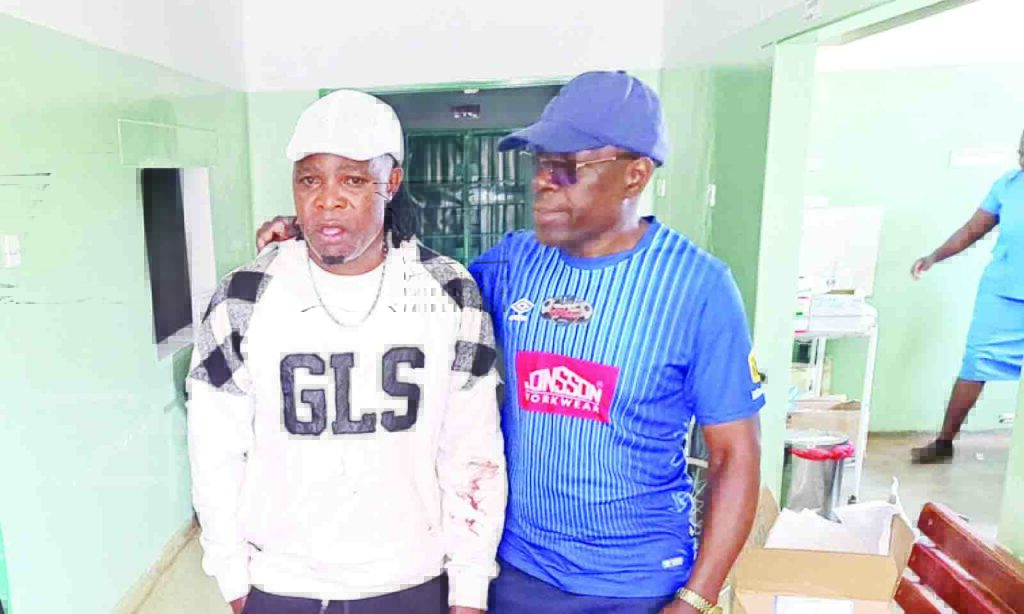
Former Caps United and Warriors palyer Alois Bunjira, is grieving the tragic death of his fiancée, Brenda Zvinorova, who passed away in Harare on Tuesday—three days after sustaining critical injuries in a devastating car crash on the Rusape-Nyanga road.


Former Caps United and Warriors palyer Alois Bunjira, is grieving the tragic death of his fiancée, Brenda Zvinorova, who passed away in Harare on Tuesday—three days after sustaining critical injuries in a devastating car crash on the Rusape-Nyanga road.
Bunjira and his fiancée, Brenda, were traveling in a BMW on Saturday when they were involved in a head-on collision with an Isuzu pickup truck. The crash claimed the lives of two passengers from the Isuzu and left Brenda critically injured, fighting for her life.
She was initially taken to Rusape General Hospital but was later transferred to Milton Park Medical Centre due to the severity of her injuries. Despite being placed on life support, Brenda succumbed after a three-day battle.
Brenda and Bunjira were both members of the NetOne Albun Honde Valley Marathon organising team. Harare businessman Andrew Rusike, who chairs the committee and is also Bunjira’s older brother, confirmed the tragic news and revealed that the couple had planned to marry in December.
“Brenda was Alois’ fiancée,” he said. “They lived together in Westgate and, because I am also Alois’ older brother, I can tell you that he planned to marry his fiancée at the end of this year.”
According to Hmetro, Rusike was among the first to arrive at the crash site and personally pulled Brenda from the wreckage. He recounted the harrowing moment:
“I could see that she had suffered injuries on her hands,” he said. “When I got her out of the car, the first thing she asked me was whether her hands were still there.”
The trip had been a business mission to assess whether the NetOne Albun Marathon could qualify runners for the prestigious Comrades Marathon.
“We wanted to see if the NetOne Albun Marathon could be used to qualify for the Comrades Marathon and this was the whole purpose of the trip,” Rusike explained.
“We had a representative from the Comrades Marathon and we had equipment which was supposed to be used to measure the NetOne Albun Marathon.”
The group had condensed the trip into two days due to other commitments.
“We left Harare early on Saturday and Alois and Brenda had already passed Rusape by about 9:30am. I was following them in another car.”
Police confirmed the crash occurred eight kilometres along the Rusape-Nyanga road:
“Two people died, while three others were injured, after an Isuzu pickup truck, which had three passengers on board, tried to overtake a bus while there was an oncoming BMW vehicle,” the police said.
“The BMW vehicle was being driven by Alois Bunjira with one passenger on board. The vehicles collided head-on, resulting in the death of two passengers from the Isuzu vehicle.”
The loss of Brenda Zvinorova has left a deep void in both Bunjira’s personal life and the marathon community, where she was a respected and vibrant presence.







Latest
NetOne, ZTA Forge Landmark Partnership to Digitize Zimbabwe’s Tourism Sector
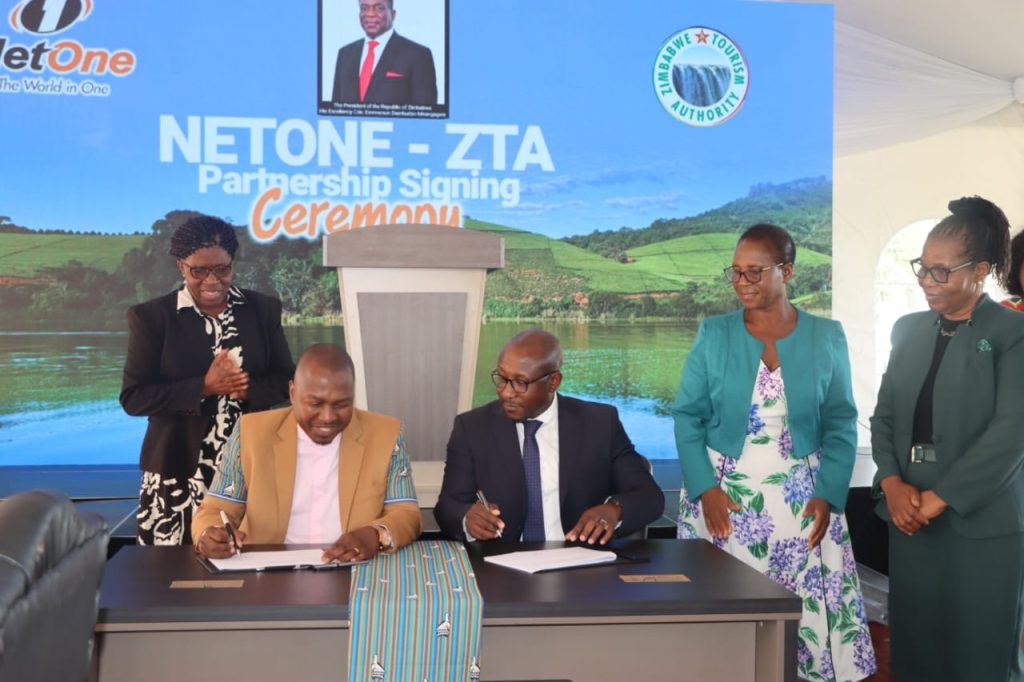
Telecommunications giant NetOne has entered into a strategic partnership with the Zimbabwe Tourism Authority (ZTA) by handing over critical computer equipment, a move designed to digitize the nation’s tourism inspectorate and replace outdated paper-based regulatory systems.

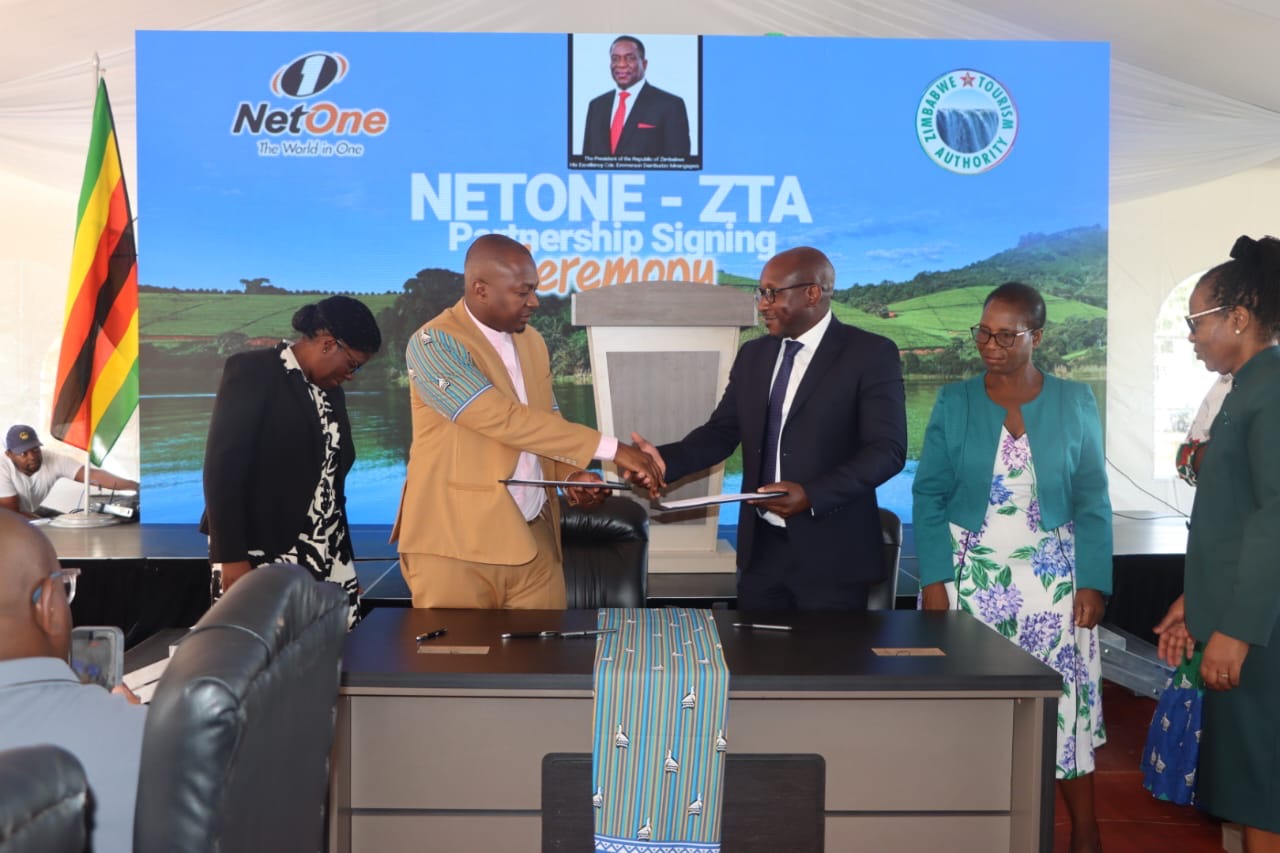
Harare, Zimbabwe – Telecommunications giant NetOne has entered into a strategic partnership with the Zimbabwe Tourism Authority (ZTA) by handing over critical technological equipment, a move designed to digitize the nation’s tourism inspectorate and replace outdated paper-based regulatory systems.
The landmark event, held on Wednesday in Harare, brought together senior government officials, industry leaders, and the company’s board members to witness the transition of the tourism sector into a fully digital operation.
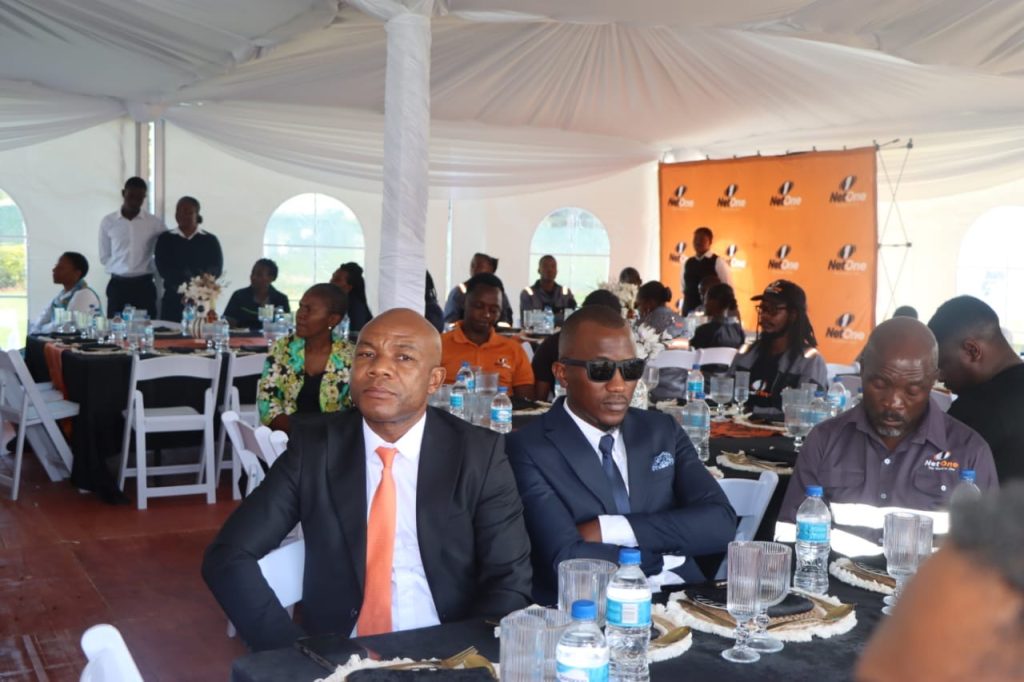
Through the partnership, ZTA will utilize secure connectivity and integrated digital platforms to enable real-time data collection, improved regulatory efficiency, and enhanced service delivery across the country. Beyond the immediate equipment handover, NetOne outlined a broader technological rollout. This includes expanded network coverage in key tourism corridors, Wi-Fi installations at strategic visitor destinations, and specialized eTourism SIM solutions designed to make Zimbabwe more accessible to international travelers.
While NetOne’s direct handover consisted of 50 devices, the announcement drew warm applause when Dr. Beaulah Chirume, Permanent Secretary for the Ministry of ICT, Postal and Courier Services, revealed that the sector’s regulator, Postal and Telecommunications Regulatory Authority of Zimbabwe (POTRAZ), had joined the initiative by contributing an additional 20,000 devices.
Dr. Chirume challenged stakeholders to view the equipment as the foundation for Zimbabwe’s recently launched National Artificial Intelligence Strategy. She stressed the need for government agencies to generate structured, high-quality data to power predictive analytics, challenging the sector to innovate a tech-enabled tourism experience that the global community would want to replicate.
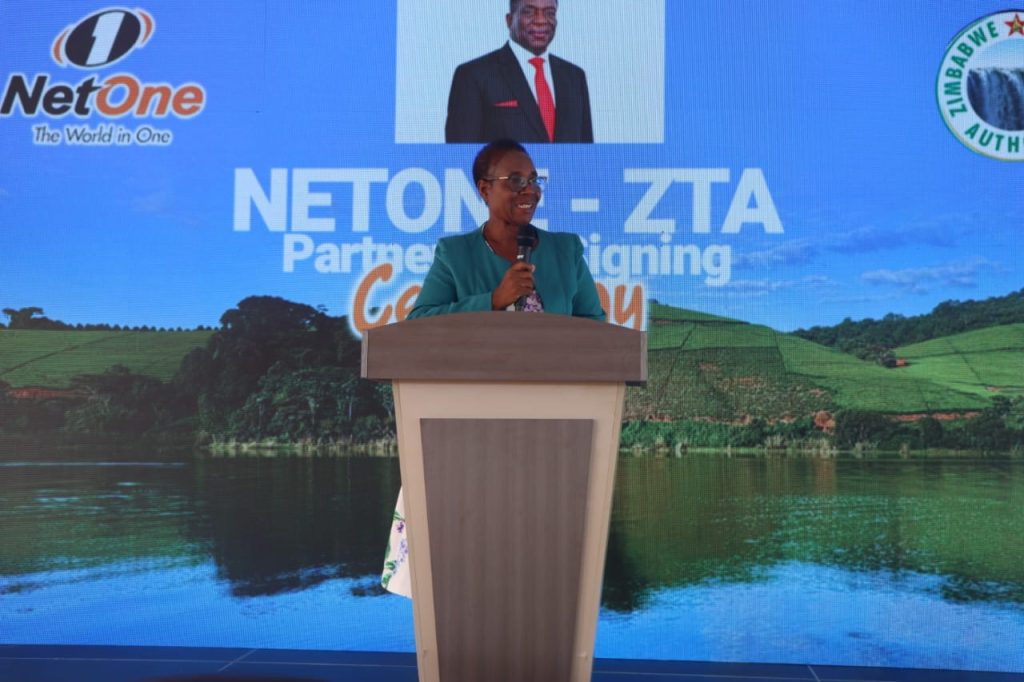
“Today’s programme is not just incidental. It is a government-driven intervention implemented through coordinated institutional action in pursuit of national development. Ministries and agencies must begin to generate structured, high-quality data supported by modern digital tools,”she said.
Representing the Ministry of Tourism and Hospitality Industry, Chief Director Mrs. Tarirai Musonza highlighted the immediate economic implications of digital connectivity. She cited a recent visit by an American YouTuber and online streamer, IShowSpeed, with a following of 50 million as proof of how digital infrastructure can yield massive, cost-effective international marketing.
“He had a following of 40 million when he was (live) in Zimbabwe, you can imagine what that just prepared for Zimbabwe, marketing without spending much beyond infrastructure.”
Mrs. Musonza confirmed the donated resources will be deployed to fully register and license tourism facilities across all provinces and strengthen provincial offices in line with the country’s devolution agenda.
Speaking on behalf of NetOne Group CEO Engineer Raphael Mushanawani, General Manager of Financial Services Mr. Joseph Machiva emphasized that the company views itself as a “national enabler” rather than just a telecommunications provider.
“These are not isolated interventions,” Machiva said. “They are part of a deliberate and sustained effort to ensure that Zimbabwe’s tourism sector remains competitive, connected, and responsive to the demands of the modern digital world.”
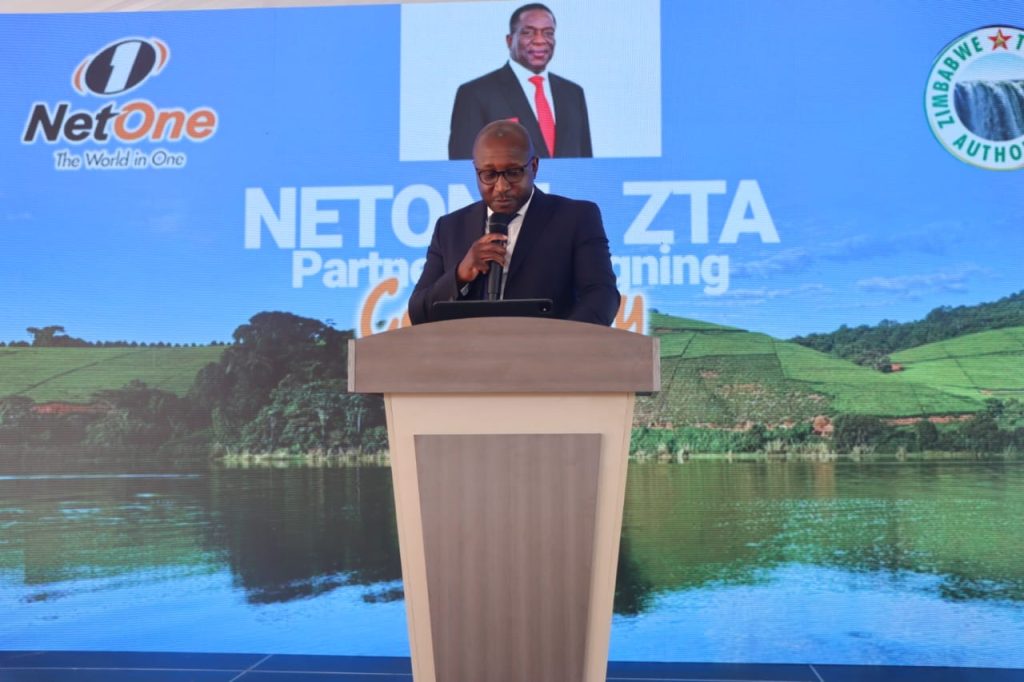
The partnership comes at a pivotal time for the southern African nation, with tourism currently contributing in excess of 15 percent to Zimbabwe’s GDP. By integrating ICT tools and AI-ready infrastructure into heritage sites and tourism corridors, the ZTA-NetOne alliance signals a decisive shift toward a globally competitive economy.
As government officials and industry leaders noted throughout the proceedings, the digital transformation proves that moving forward, “Zimbabwe is not only open—it is connected.

Football
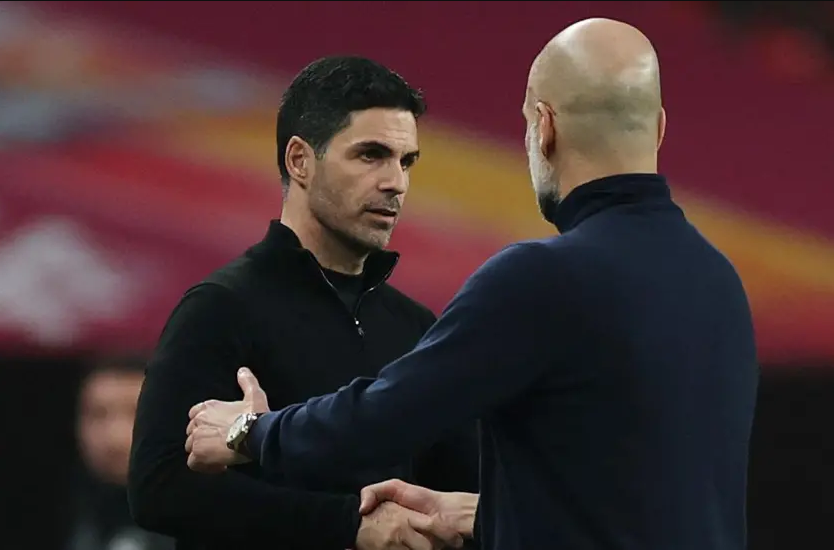
Arsenal vs. Manchester City: The Psychological Battle That Could Define the Season
Arsenal’s Carabao Cup defeat to Manchester City was more than just a lost trophy — it was the opening salvo in what promises to be a season-defining psychological duel between two of England’s most formidable sides. With three competitions still in play, the question is not only whether Arsenal can win, but whether they can withstand the mental pressure City will continue to exert.


NetOne, ZTA Forge Landmark Partnership to Digitize Zimbabwe’s Tourism Sector

NetOne Unveils USD50,000 Sponsorship for The President’s Cup 2026

Arsenal vs. Manchester City: The Psychological Battle That Could Define the Season

Bunjira’s Wife Dies Three Days After Accident

FC Platinum Suspend Players Over Suspected Match Fixing

SportBrief and NetOne Launch Exciting New Game Show: Score Big with NetOne
-
 Football8 months ago
FC Platinum Suspend Players Over Suspected Match Fixing
-
 Football8 months ago
SportBrief and NetOne Launch Exciting New Game Show: Score Big with NetOne
-

 Football8 months ago
“Lets goooooo” Garnacho issues two-word message as Man Utd exit officially confirmed
-

 Rugby8 months ago
Men’s Rugby World Cup 2027 ticketing programme unveiled
-

 Football8 months ago
Monday Spotlight: Washington Navaya – The Navigator in Demand
-

 Football8 months ago
Viktor Gyokeres will be in London today for his Arsenal medical
-

 Latest8 months ago
“It’s been a great year—and I have not repeated an outfit!” Coco Gauff claimed in her Cincinnati presser.
-

 Rugby9 months ago
Zimbabwe hold on to book first Rugby World Cup spot since 1991
You must be logged in to post a comment Login